36201076 Lock Plate as Per Sample: International Buyer's Guide to Fixture Plates & Locking Components
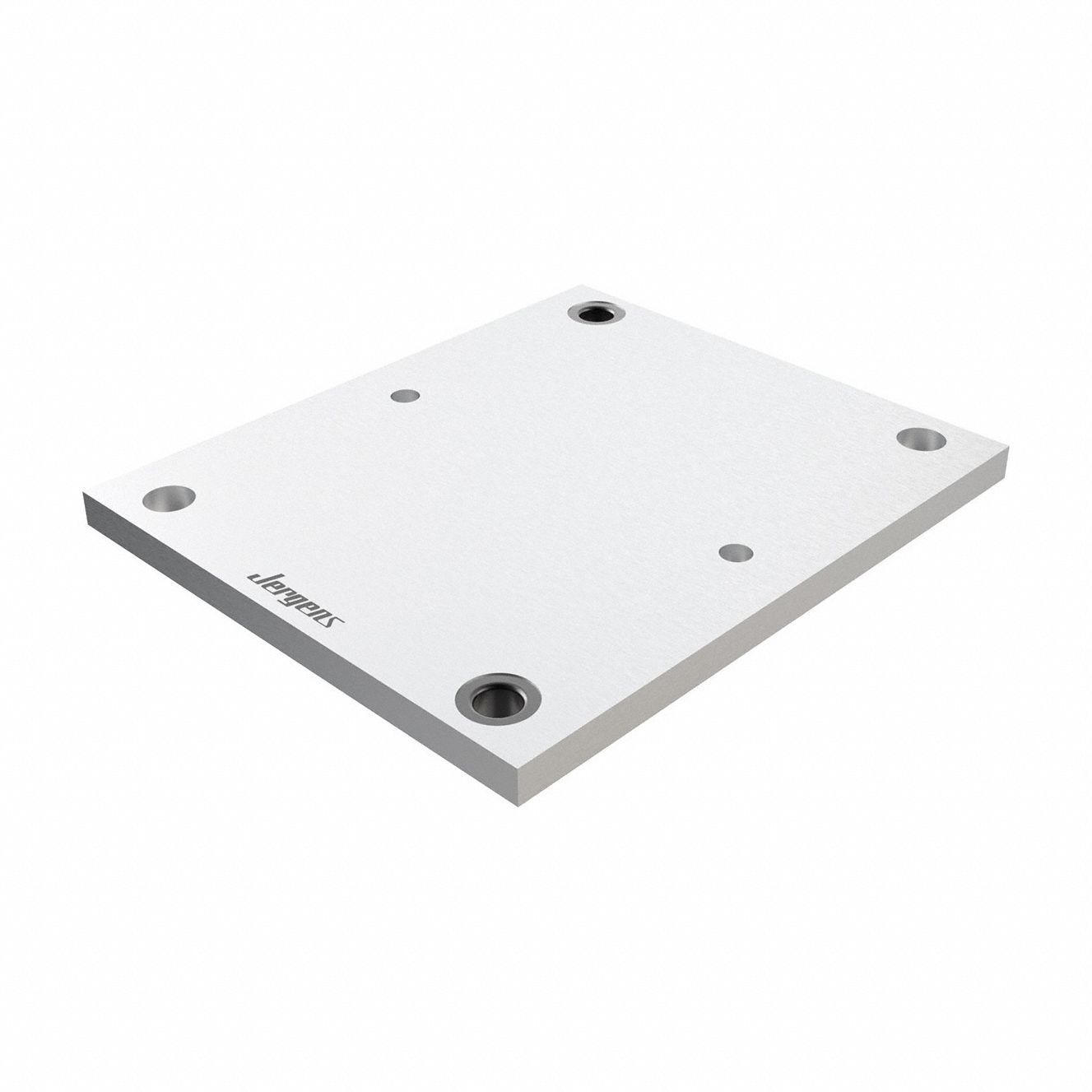
Table of Contentsexpand_more
A 36201076 lock plate as per sample is a custom-manufactured locking plate built to match a physical sample or OEM drawing, typically used in workholding and fixturing systems. Because no universal standard defines this part number, buyers must verify material, hardness, thread, and tolerance against the sample before sourcing.
What Is a Lock Plate as Per Sample?
A lock plate as per sample is a reverse-engineered or custom locking component produced to match an existing physical sample. It is common when OEM part numbers are obsolete or when proprietary fixturing systems require exact replacements. In International markets, buyers often request these plates to maintain legacy machining setups or to replicate proven workholding configurations.
Brands like JERGENS and PCS offer standard locking and fixturing components that can serve as drop-in or near-equivalent alternatives when a custom sample-based plate is unavailable or cost-prohibitive.
Quotable Definition
A lock plate as per sample is a precision component manufactured to replicate the dimensions, material, and performance of a supplied physical sample, used to secure fixtures, workpieces, or tooling in industrial machining and assembly operations.
How Does a Lock Plate Work in Fixturing Systems?
Lock plates function as bearing or alignment surfaces that distribute load and maintain positional accuracy. They are often paired with shoulder plates, ball lock systems, or tapered interlocks. For example, the PCS shoulder plate (SKU 841ZE1) is a hardened, precision-ground component for tapered interlock systems, providing a bearing surface and secure alignment.
In ball lock systems, fixture plates like the JERGENS aluminum Ball Lock plate (SKU 830MM9) enable quick and repeatable positioning of workpieces during milling, drilling, and grinding.
Spec Table: Typical Lock Plate & Fixture Plate Specifications
| Attribute | Typical Range / Value | Notes |
|---|---|---|
| Material | Grade 4140 steel, aluminum | Steel for high wear; aluminum for weight savings |
| Hardness | 48–52 RC (steel) | PCS shoulder plate example |
| Thread size | 1/4"-20 | Common for shoulder plates |
| Tolerance | +0.000/-0.002 in | Precision-ground components |
| Plate size | 14 in × 14 in to 16 in × 16 in | JERGENS ball lock plates |
| Plate height | 0.75 in to 1.125 in | Subplates may be thicker |
| Weight | 14 lb to 81 lb | Aluminum vs steel |
Types of Lock Plates and Fixture Plates
- Ball Lock Fixture Plates: JERGENS aluminum (SKU 830MM9, 830MM8) and steel (SKU 830MN3, 830MN2) plates for quick positioning.
- Subplates: JERGENS steel subplate (SKU 830MY6) with bored holes for sine fixture keys.
- Shoulder Plates: PCS hardened shoulder plate (SKU 841ZE1) for tapered interlock systems.
- Custom Lock Plates as Per Sample: Reverse-engineered to match OEM samples; material and tolerance verified against sample.
Selection Criteria: How to Choose a Lock Plate as Per Sample
- Material and hardness: Confirm the sample’s steel grade (e.g., 4140) and hardness (e.g., 48–52 RC). Aluminum may be acceptable for lighter duty.
- Dimensions and tolerance: Measure all critical dimensions (outside diameter, thickness, thread) and specify tolerances (e.g., +0.000/-0.002 in).
- Thread and fastener compatibility: Verify thread size (e.g., 1/4"-20) and whether a flat head cap screw is used.
- Load and duty cycle: Steel plates handle higher loads; aluminum reduces weight for high-speed operations.
- Environmental conditions: Consider finish (e.g., black oxide) for corrosion resistance in humid or washdown environments.
- Interchangeability: Check if a standard JERGENS or PCS component can replace the custom sample without modification.
Product Comparison: JERGENS and PCS Fixture Plates
| Model | Type | Material | Size (W×L×H) | Weight | Key Feature |
|---|---|---|---|---|---|
| JERGENS Aluminum Ball Lock Fixture Plate 14 in | Ball Lock Plate | Aluminum | 14 in × 14 in × 0.75 in | 14 lb | Lightweight, 20 mm spec |
| JERGENS Aluminum Ball Lock Fixture Plate 16 in | Ball Lock Plate | Aluminum | 16 in × 16 in × 0.75 in | 18 lb | Two primary liners |
| JERGENS Steel Ball Lock Fixture Plate 14 in | Ball Lock Plate | Steel | 14 in × 14 in × 0.75 in | 42 lb | 20 mm spec, rigid |
| JERGENS Steel Ball Lock Fixture Plate 16 in | Ball Lock Plate | Steel | 16 in × 16 in × 0.75 in | 55 lb | Two primary liners |
| JERGENS Steel Subplate 16 in | Subplate | Steel | 16 in × 16 in × 1.125 in | 81 lb | Bored holes for sine keys |
| PCS Shoulder Plate for Tapered Interlock | Shoulder Plate | 4140 Steel | 0.75 in OD × 3/16 in thick | — | 48–52 RC, 1/4"-20 thread |
Step up from aluminum to steel plates when higher rigidity and load capacity are needed. Choose the subplate for larger setups requiring sine key mounting. For tapered interlock systems, the PCS shoulder plate provides a hardened bearing surface.
Why Source from 3G Electric?
3G Electric stocks 6+ fixturing products from JERGENS and PCS, backed by 35+ years of industrial supply experience. We provide technical support to help you interpret sample-based lock plate requirements and identify equivalent standard components. International delivery is available with export documentation experience and incoterms-neutral supply. We are a distributor, not an authorized dealer, for the brands we carry.
According to JERGENS Ball Lock Fixture Plate technical documentation: "Ball Lock plates provide quick and repeatable positioning of workpieces in machining operations such as milling, drilling, and grinding."
Frequently Asked Questions
Q: How do I select a lock plate as per sample?
A: Measure the sample’s material, hardness, dimensions, thread, and tolerance. Compare against standard JERGENS or PCS components to see if a drop-in equivalent exists. If not, provide a drawing for custom manufacturing.
Q: Where can I buy a 36201076 lock plate as per sample in International?
A: 3G Electric supplies fixturing components globally. Contact us with your sample specifications for a quote and lead time. We handle export documentation and ship worldwide.
Q: What is the difference between a ball lock fixture plate and a shoulder plate?
A: Ball lock fixture plates are large workholding surfaces for CNC machines, while shoulder plates are smaller hardened components for tapered interlock systems, providing bearing surfaces and alignment.
Q: Can I use an aluminum plate instead of steel for my lock plate?
A: Aluminum plates are lighter and suitable for lower-load applications. Steel plates offer higher rigidity and wear resistance. Choose based on load, duty cycle, and weight constraints.
Q: What are the lead times for International delivery?
A: Lead times vary by product and destination. Standard items ship within days; custom sample-based plates may require 2–4 weeks. We provide estimated delivery times with your quote.
Q: Do you provide certification or material test reports?
A: Yes, we can arrange material certifications and test reports upon request for qualified orders.
Key Takeaways
- A 36201076 lock plate as per sample is a custom component; always verify material, hardness, and tolerance against the sample.
- JERGENS and PCS offer standard fixture plates and shoulder plates that may serve as equivalents.
- Selection depends on load, material, size, and environmental conditions.
- 3G Electric provides global sourcing, technical support, and export documentation.
- Contact us for quotes and sizing assistance.
CTA: Ready to source your lock plate? Contact 3G Electric for quotes, sizing assistance, and technical support. We ship internationally with full export documentation.